
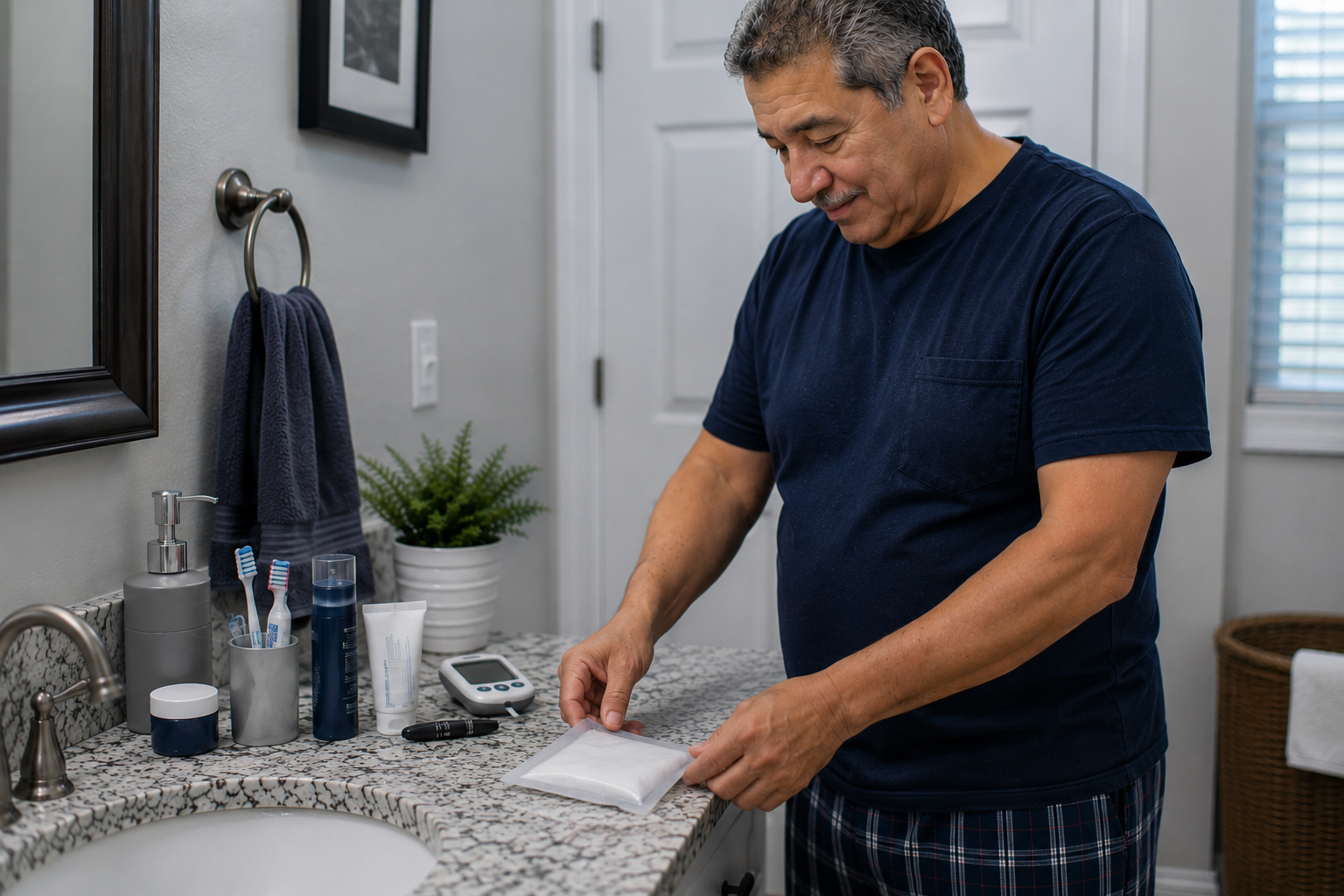

Diabetes is a disease that can affect your whole body. It can cause changes to bladder function, which result in incontinence, nocturia (nighttime urination), and other bladder-related symptoms. Understanding how diabetes affects bladder function and how to manage bladder issues with diabetes can be helpful when discussing concerns with your provider or supporting a family member.
As an experienced geriatric nurse, I commonly work with patients diagnosed with both diabetes and bladder control issues. Whether their bladder control is directly related to diabetes or not, many of the treatment options are similar.
What is Diabetes?
Diabetes is a disease that causes hyperglycemia (high sugar levels in the body) due to issues with insulin (a hormone produced by the body that regulates blood sugar) production and how the body uses it. High blood sugar levels can cause inflammation, and chronic inflammation can damage blood vessels and nerves throughout the body. When these vessels and nerves in the urinary system and/or kidneys are damaged, it can affect bladder function.
There are two main types of diabetes
- Type 1 Diabetes: usually diagnosed in children or young adults, and is caused by an autoimmune reaction. In type 1 diabetes, the body does not make its own insulin.
- Type 2 Diabetes: usually diagnosed in adults but can develop at any age. In type 2 diabetes, the body still makes insulin, but blood sugar levels can be unstable, and the body does not respond well to maintain normal levels.
Diabetes and Bladder Function
Diabetic bladder dysfunction is a term used to describe a group of urinary complications, including overactive bladder (the urge to urinate frequently, even when the bladder is not full), difficulty urinating, and urinary retention (urine is trapped in the bladder and does not come out).
Common symptoms experienced by people with diabetes and bladder function can include:
- Frequent and urgent urination
- Difficulty beginning to urinate (Hesitancy)
- Urine leakage
- Bladder infections
Beyond bladder symptoms that can result from nerve or vascular damage, some symptoms arise simply from elevated blood sugar levels. Elevated blood sugar levels cause increased thirst and more frequent, more urgent urination. This is the body’s way of trying to flush out and dilute excess sugar.
Uncontrolled or elevated blood sugar levels at night are also common. This can lead to frequent urination or incontinence at night, called nocturia. This is characterized by needing to use the restroom more than once at night.
Managing Bladder Function with Diabetes
Managing bladder issues with diabetes is similar to managing incontinence or bladder control issues for anyone. It takes a targeted approach to address any underlying causes while adding in pelvic floor therapy, bladder training, and the use of incontinence products.
When working with patients who have a diabetes diagnosis, they often lack a full understanding of incontinence or how bladder function relates to their diagnosis. Incontinence can also be a part of aging or related to other diagnoses, so it can be easy to overlook the impact of diabetes. Bladder function in diabetes typically does not change suddenly, except during acute infections such as urinary tract infections (UTIs).
What I typically see is someone who comes in reporting frequent urination or needing a higher absorbency incontinence product, especially at night. It helps to educate them on the link between diabetes and incontinence, which can look like reviewing their blood sugar readings to see if they are experiencing higher readings at night or if their blood sugar numbers have been creeping up. It is also a good time to discuss the importance of diet and medication management and to arrange a meeting with a dietitian.
Typically, there is not a sudden change in symptoms; it is more of a gradual progression. It can start with occasional leaks during activity, laughter, or coughing. But then, if it progresses to more frequent leaks or sudden urges to urinate, it can become more disruptive to daily life. This is when it is more likely that someone will bring up to their healthcare provider or to me that something different is happening.
Having a diabetes diagnosis does not mean you will develop incontinence; it is just more likely, especially if not managed well. There are some steps anyone can take to reduce the chance of developing incontinence or lessen the symptoms:
- Work with your provider to ensure blood sugar levels are controlled
- Manage blood pressure and cholesterol, as these can further damage vessels and nerves
- Maintain a healthy diet
- Exercise or move your body regularly
- Drink plenty of water
- Avoid smoking
Once we ensure the clinical aspects of diabetes are safely managed, we can problem-solve using additional strategies. These are the main things I recommend to my patients:
Bladder Training: bladder training involves timed intervals between trips to the bathroom. The goal is to increase the interval between bathroom trips. It can help to write down every time you go for a few days, to get an idea. Then try to increase the frequency in 10 or 15-minute intervals. The goal is to go a few hours between bathroom trips, so it is less disruptive to your day. This method is not an option for everyone, especially those who experience sudden loss of bladder control or those who have leaks from sneezing or coughing. You might have to work in smaller time increments and ignore the urge for short periods, while also avoiding leaks. This might include breathing exercises and other distraction techniques.
Diet Changes: Some foods and drinks can irritate the bladder, making bladder control more challenging. Triggers can vary from person to person, so you might have to experiment by eliminating or reducing certain foods or drinks and noting whether they affect your bladder function.
Common bladder irritants include
- Anything containing caffeine
- Carbonated beverages
- Artificial sweeteners, which are often found in sugar-free or reduced-sugar foods
- Alcohol
- Foods high in acid, such as citrus fruits and tomatoes
Pelvic Floor Therapy: targets the muscles of the pelvic floor and their connections to the rest of the body. It can help strengthen the muscles that control and prevent the flow of urine. It can reduce symptoms related to incontinence if the incontinence is caused by muscle weakness or dysfunction. You can ask your medical provider for a recommendation or referral for a pelvic floor therapist near you.
Incontinence Products: Using incontinence products is the most common intervention when I’m working with patients who have changes to their bladder function, with or without diabetes. Incontinence products offer a practical solution that can be adjusted to each person’s needs. Diabetic incontinence can present unique challenges as it can cause large amounts of urine to leak, especially at night. Using reliable, high-absorbency products can prevent someone from waking up wet and provide peace of mind during the day.
Incontinence products come in varying absorbencies and styles, so it is important to read the packaging information. These overnight protective underwear, from LivDry, have an absorbency of up to 70 ounces. For reference, a typical bladder can hold 12 to 20 ounces of urine. So these overnight products can contain up to 3+ episodes of full incontinence.
Understanding each person’s incontinence helps me recommend appropriate options, since some people may only need a small liner, while others may need an overnight option for daytime use. If you are struggling with finding the right incontinence product, try to determine the frequency and estimated amount (such as a small leak vs. full bladder loss), then use the manufacturer’s guidelines to find the right size and absorbency for your specific needs.
When to Talk to Your HealthCare Provider
Discussing incontinence and bladder issues can feel embarrassing and uncomfortable for many people. It is also common to assume incontinence is a common part of aging and that nothing can be done. However, it is always important to discuss new or changing bladder symptoms with your healthcare provider to rule out any underlying causes that may require treatment.
Healthcare providers can also help provide you with resources for protecting skin from moisture and reducing the risk of infection related to bladder function and diabetes.