
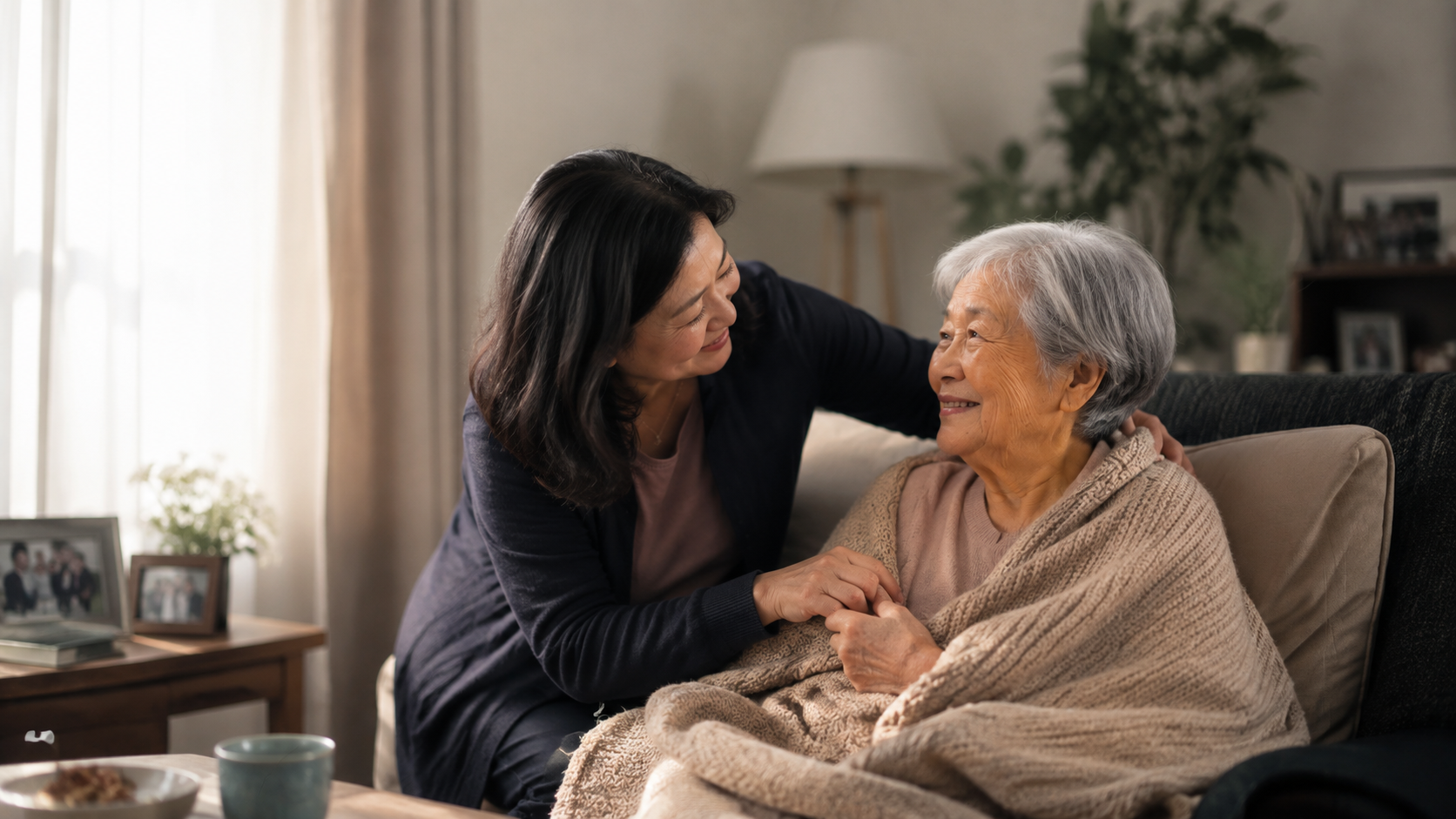

The moment that care shifts from nurses to family can cause some unexpected caregiver challenges. The person goes from supported care in a medical facility to a more familiar and comfortable environment. Depending on the relationship you have with the person you’re caring for, and your beliefs about personal care it can significantly impact how care is delivered when family is involved versus when nurses are involved.
Picture walking through the front door of your parents’ house, helping mom into the entryway. As soon as you get inside, she says, “I need to use the bathroom.” You help her to the restroom and close the door behind her. Is she able to manage sitting down and standing up? Can she perform toileting hygiene and wash her hands? The other big question is, will she ask you for help? It can be difficult for older adults to ask younger family members for help. The loss of independence and the need to rely on someone they’ve been caring for their whole lives is a big shift. When care shifts from nurses to family, it goes far beyond the physical aspects, as there can be a significant emotional barrier to overcome as well.
When transitioning care from a medical setting to home, there are a few key areas to consider to be better prepared.
Incontinence
While someone is in a medical facility, incontinence and other toileting hygiene are provided by trained staff members. Depending on the person’s level of physical ability, they may or may not need help with this once moving to their own home or yours.
I always discuss a toileting and hygiene plan with patients and their family members in these scenarios to ensure everyone is prepared. Helping a parent, grandparent, or even a close friend in the restroom can be intimate and embarrassing. I recommend that the person who will be helping with toileting or incontinence care shadow the staff member before they move. Seeing how a trained person handles the situation and completes tasks can help break down some barriers before being alone.
These are some additional tips to use when care transitions to family in a home environment:
- Set up all incontinence supplies in an easy-to-reach area within the bathroom.
- Briefs, pull-ups, and/or liners
- Wipes
- A change of clothes
- A covered or sealed trash can for used products
- Simplify decisions around incontinence products by finding reliable overnight protective underwear and absorbency options that fit well. Utilize resources such as LivDry, which offers a variety of sizes and products.
- Consult with a physical and occupational therapist to determine whether grab bars are needed or whether the toilet height needs to be adjusted (which is simple to do with a raised toilet seat).
- Maintain privacy when possible. This can look like getting the person on the toilet and then leaving (making sure they have a way to call for you when they’re done).
- Maintain a routine for hygiene with similar steps each time (ex. use the restroom, cleanse skin and apply any skin treatments as recommended by your medical provider, change products, wash hands).
Personal Care
Personal care can include tasks such as bathing, dressing, grooming, and anything the person you’re helping care for enjoys doing to maintain their self-care. Like incontinence care, personal care can feel awkward or embarrassing for a family member or loved one at first.
Even as a nurse caring for someone, I always set up the environment to allow as much independence as possible. You might need to make some adjustments to their bathroom or bedroom to make it easier to complete these tasks. Things such as a shower chair, grab bars, and, when possible, modifications to the bathtub can go a long way toward helping your loved one complete tasks by themselves. If they need more hands-on help, make sure to discuss what they need help with and are comfortable with. Often, people can wash the front of their bodies but need help with their backs or with washing their hair. I recommend using a towel or other covering to help the person maintain privacy during bathing or dressing.
Some people will never feel comfortable having a family member or friend provide intimate care tasks such as bathing. In these instances, I recommend looking for an hourly-paid caregiver. This is someone who can come just to provide bathing services. They do sometimes have a minimum number of hours they must be paid for, so having them come on days when full bathing, grooming, and other personal tasks can be done together is more beneficial.
Mobility
Nurses and most healthcare providers are trained to assist with mobility. When a loved one is being cared for in a medical facility, you may not even notice the subtle ways in which they are helping. The lack of help may become more noticeable when someone returns home and the supporting grasp under the elbow, grab bars, and bed and chairs with adjustable heights are not present.
It is always critical to ensure a physical and occupational therapy assessment occurs before you bring a loved one home. This will help determine if they need a walker, wheelchair, or other supportive devices at home. Make sure the therapist is also aware of any stairs, steep driveways, uneven flooring, or other obstacles that may be difficult to navigate.
Learning some tips directly from the care staff can also help make the transition easier. Learning how to use a gait belt, where to stand when helping someone in and out of a wheelchair, and how to position it for getting in and out of the car are all things that can help prevent falls and injury and also prevent you from injuring yourself.
Caregiver Burnout
Caregiver burnout can begin even when a loved one is in a medical facility. Some caregivers choose to be present and participate in care before someone even leaves. Caregiver burnout is when an individual caring for someone else experiences high levels of stress and feels emotionally and/or physically exhausted. The stress of caregiving can be cumulative and has been linked to higher rates of anxiety and depression.
When care shifts to a more personal environment, I see the greatest burden on caregivers, especially in the first few days and weeks after someone comes home. They may be very heavily reliant on their caregiver not only for their physical needs, but they could very well be the only person they have to socialize with and vent to.
It is important to build a support system for yourself, the caregiver, and also for the person being cared for. This can look like finding another family member or friend who can be with your loved one for a few hours a week to give you a break. Utilizing local senior centers for adult day center options and activities. You can also always speak to your loved one’s healthcare provider or your own for more resources and to address the impacts of caregiver burnout directly.
Adapting to a New Caregiving Role
Whether you have previously provided caregiving to a loved one or this is the first time making the transition, it can be overwhelming. There is a lot that goes into caring for someone else, and it changes day-to-day life. It can also be highly rewarding and help someone you care for maintain the independence and dignity they would not have living in a medical facility or on their own. Never hesitate to reach out to others or medical professionals for support; you do not have to do it all alone.