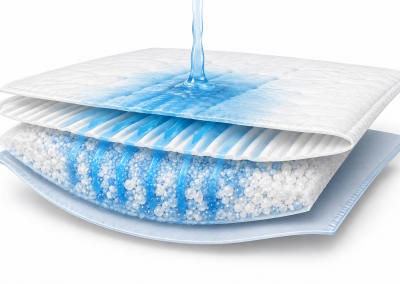


Managing incontinence at night brings different demands than daytime. The need for sustained protection across several hours of sleep points to products built for extended wear and higher absorption. Those comparing the best adult diapers for overnight use should prioritize absorbency, fit, and breathable materials. The goals are leak prevention, skin protection, and uninterrupted sleep.
Understanding the type of incontinence you’re managing
Incontinence is not a single issue. Stress incontinence means urine leaks when activities like coughing or sneezing increase abdominal pressure [1]. Urge incontinence, also known as overactive bladder, causes a sudden, strong need to urinate, followed by leaking [1]. Overflow incontinence happens when the bladder does not empty fully, leading to frequent small leaks [1]. Functional incontinence refers to situations where physical or mental problems stop a person from reaching the toilet in time [1]. Mixed incontinence combines two or more types, most often stress and urge incontinence [1]. The specific type, along with individual body factors and medications, influences the best ways to manage it and what products to choose.
Choose features that support overnight wear
High absorbency is necessary; products must hold larger amounts of liquid over many hours [2]. This matters because the cost of a missed nighttime trip is rarely just inconvenience; it often involves disrupted sleep, laundry, and skin irritation.
A woman who drinks tea in the evening might find she wakes three times a night due to leaks when using a regular daytime pull-up. A more absorbent overnight product could reduce these interruptions.
Product design also helps prevent leaks. Leg cuffs, or anti-leak barriers, create a seal around the legs to contain liquid [2]. These features work with elastic waistbands for a close fit. Materials that breathe help maintain skin health by allowing air circulation, which lowers moisture build-up and the chance of skin irritation [3]. Some products also include odor control features, making them more discreet and comfortable [2].
Can one product really last all night without leaking?
Whether an adult diaper can last all night without leaking depends on several factors. These include the product’s absorption capacity, the individual’s urine output, and how well the product fits [4]. Modern high-capacity products are constructed to take in a substantial amount of liquid [2]. Continence specialists often state that fit is as important as absorbency [5].
An absorbent product will still leak if it does not fit closely around the body [5]. In practice, this is where many patients abandon an otherwise suitable product.
Separating day and night products
Most people do better with different products for night and day. Daytime products are often designed for discretion and ease of movement, featuring a lower profile and moderate absorbency for daily activities [5]. Night products, however, focus on maximum absorbency and leak protection [5].
Some urogynecologists are divided on whether a distinct night product is always essential. They acknowledge that while separate products are usually helpful for significant overnight leakage, individuals with very light nighttime leaks might manage with a high-performance daytime product. A geriatric nurse describes a recurring pattern in which older adults using daytime pads at night often experience leaks, leading to broken sleep and potential skin issues. Nighttime urine can be more concentrated and heavier due to fluid shifts when lying down [3]. For this reason, choosing a product made for overnight use, with greater absorbency and leak guards, is generally recommended [6].
Strategies for Managing Nighttime Leaks
Beyond product selection, several approaches can improve nighttime incontinence management.
- Limit fluid intake, particularly in the hours before bed [3]. This practice can reduce urine production during the night [3]. Some clinicians caution that restricting fluids too much can lead to dehydration, so maintaining overall hydration throughout the day is important [3].
- Try emptying the bladder just before bed and potentially once during the night [3]. This strategy can help decrease the volume of urine that may leak uncontrollably [3].
- Care for skin meticulously by following incontinence skin care tips [3]. Products are worn for long periods at night, so good skin care is important [3]. Using barrier creams can protect the skin from wetness and reduce irritation [3].
- Ensure a proper fit for all products [2]. Consulting an incontinence product guide and taking accurate waist and hip measurements ensures you select the correct product size [2]. A product that is too large will have gaps, while one that is too small can cause discomfort and restrict movement [2]. Both situations can lead to leaks [2].
- Consider highly absorbent products like LivDry Overnight Protective Underwear, with a listed capacity of 2,078 mL, designed for extended overnight protection. For severe leakage or multiple bladder voids, LivDry EnduraDry Max Tabbed Briefs, with a listed capacity of 4,257 mL, offer higher absorbency and are designed to accommodate bowel containment, often useful for individuals with limited mobility or those requiring caregiver assistance.
When to see a clinician
Talk to a doctor or nurse promptly if you notice any of the following:
- Blood in your urine
- Pain or burning when you urinate
- Sudden onset of incontinence with no clear cause
- Incontinence with weakness, numbness, or trouble walking
- Fever, back pain, or signs of a urinary tract infection
- Incontinence that is rapidly worsening
- Bowel incontinence appearing alongside urinary symptoms
Incontinence is common and treatable. Products help manage symptoms, but they do not replace clinical evaluation, pelvic floor therapy, medication review, or other treatments your clinician may recommend.
Sources
- ics.org. https://www.ics.org/publications/ici_3/v1.pdf/chap4.pdf
- nafc.org. https://nafc.org/bhealth-blog/how-to-choose-the-best-adult-diaper-for-your-needs/
- pmc.ncbi.nlm.nih.gov. https://pmc.ncbi.nlm.nih.gov/articles/PMC12131696/
- cochrane.org. https://www.cochrane.org/evidence/CD007408_absorbent-products-moderate-heavy-urinary-andor-faecal-incontinence-women-and-men
- nafc.org. https://nafc.org/bhealth-blog/learn-about-incontinence-products-to-help-you-stay-dry/
- nafc.org. https://nafc.org/bhealth-blog/customer-favorites-adult-incontinence-products-for-nighttime-bedwetting/