
Choosing adult diapers isn’t just about absorbency, but 5 key differences separate cloth-like from plastic-backed
Adult absorbent products help manage bladder and bowel leakage. A key distinction is the outer covering: cloth-like or plastic-backed. Knowing how these differ is essential for finding the right incontinence product. This article compares cloth-like vs plastic-backed adult diapers.
Understanding the type of incontinence you’re managing
Incontinence has several forms. Stress incontinence causes leakage when pressure increases on the bladder, such as from a cough, sneeze, or laugh [1]. Urge incontinence, also known as overactive bladder, involves a sudden, strong need to urinate followed by accidental leakage [1]. Overflow incontinence happens when the bladder does not empty completely, leading to frequent small leaks [1]. The best product features, including outer coverings, can differ by type and volume of leakage, and body shape and medications also influence these choices.
Types of Outer Coverings
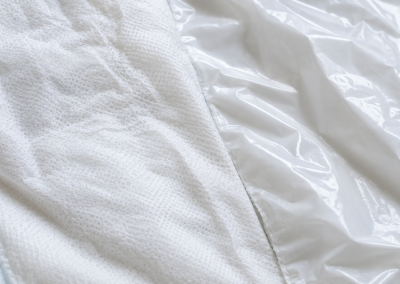
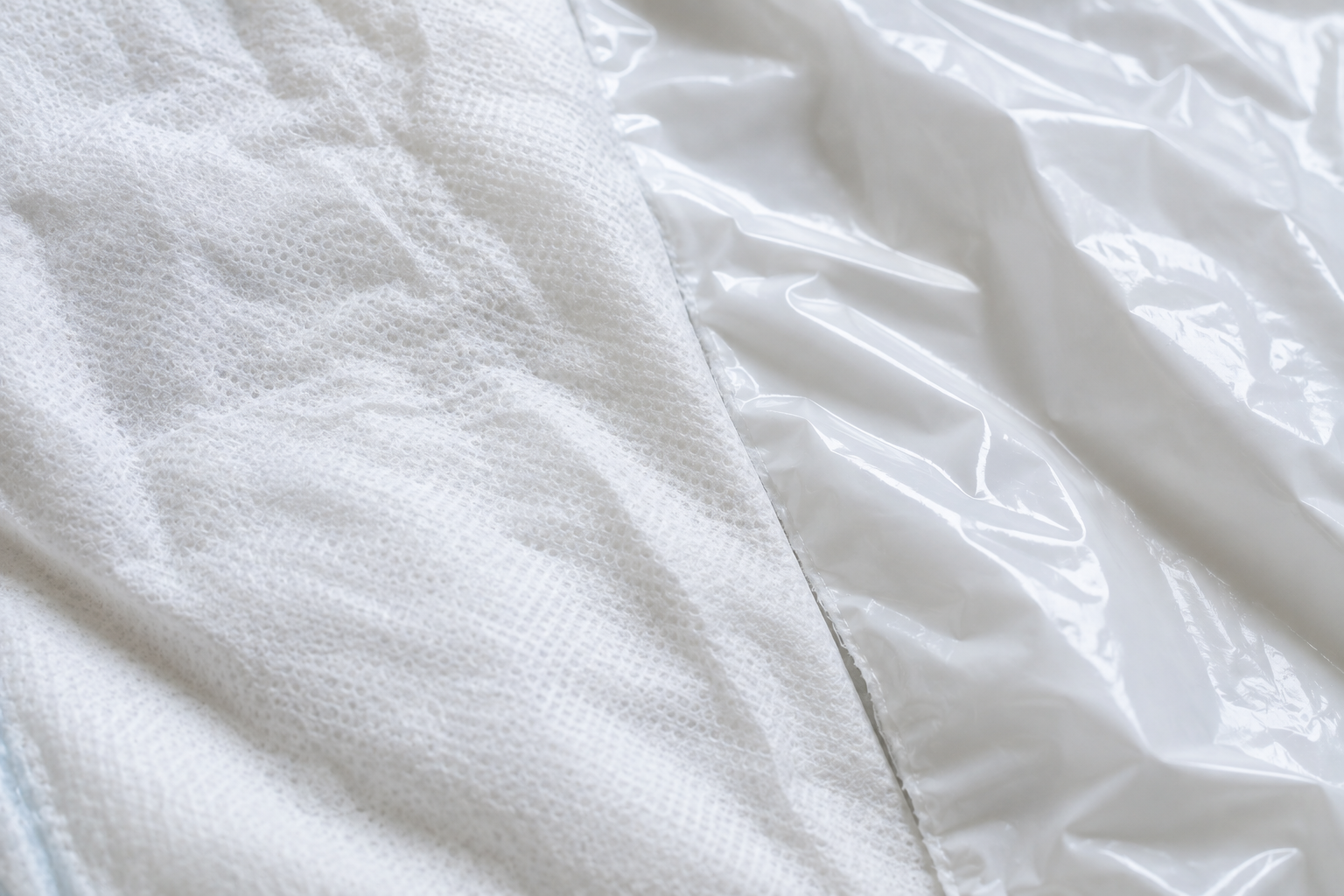
Plastic-backed products typically use a polyethylene film as the outer layer [2]. This plastic does not let air pass through. It forms a complete barrier to moisture [2]. In contrast, cloth-like items use a soft, fabric-like outer material [3]. The fabric feels closer to regular protective underwear for many users.
Air circulation and noise differ by covering. Plastic-backed items allow less air to pass through. This can trap heat and moisture against the skin [2]. Geriatric nurses often report that people using plastic-backed briefs in warm weather find them uncomfortable due to trapped sweat. Plastic-backed products can make crinkling sounds when a person moves [2]. Cloth-like items are generally quieter [2].
Skin Health Considerations
For sensitive skin, the outer covering matters. Plastic-backed briefs can create a damp environment. This may increase the chance of skin irritation or breakdown if not managed well [2]. Because the plastic does not breathe, heat and moisture stay close to the skin.
Cloth-like products have a breathable outer layer. This lets more air reach the skin [3]. Better airflow reduces heat and moisture buildup. It may lower skin irritation and improve skin health [2].
Leak Protection
Both cloth-like and plastic-backed products aim to stop leaks. Plastic-backed designs create a strong barrier against liquid [4]. They suit heavy leakage or situations that require maximum security, including long periods without restroom access.
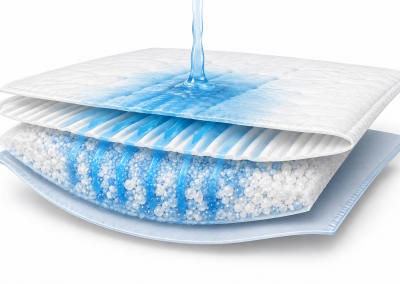
Cloth-like products also prevent leaks effectively. Many include leg cuffs and channels to manage fluid [3]. The absorbent core inside these products handles different amounts of wetness [5]. Modern cloth-like designs focus on balancing security with comfort.
Comfort and Daily Use
The outer material affects noise, feel, and how fasteners hold.
- Quietness: Cloth-like items are often quieter. They make less sound and can be thinner, which helps them show less under clothing [2].
- Feel: Cloth-like products have a soft, fabric-like texture. This can feel more like regular underwear [3].
- Tape Hold: The tapes on plastic-backed tabbed incontinence briefs usually stick very well [2]. Many cloth-like briefs now use strong, reusable tabs that attach firmly to the fabric-like surface, offering similar security.
Breathable designs can reduce heat buildup during long wear.
Choosing an Absorbent Product
The choice between cloth-like and plastic-backed products depends on needs, activities, and preferences. For heavy leakage or high security, plastic-backed products offer a strong barrier. For sensitive skin or more comfort, cloth-like products allow better airflow and feel softer. For a quieter and less noticeable product, cloth-like options are often preferred. Urologists often advise trying both types to identify the best match for absorbency, comfort, skin care, and personal preference.
When to see a clinician
Talk to a doctor or nurse promptly if you notice any of the following:
- Blood in your urine
- Pain or burning when you urinate
- Sudden onset of incontinence with no clear cause
- Incontinence with weakness, numbness, or trouble walking
- Fever, back pain, or signs of a urinary tract infection
- Incontinence that is rapidly worsening
- Bowel incontinence appearing alongside urinary symptoms
Incontinence is common and treatable. Products help manage symptoms, but they do not replace clinical evaluation, pelvic floor therapy, medication review, or other treatments your clinician may recommend.
Sources
- medlineplus.gov. https://medlineplus.gov/ency/article/003973.htm
- nafc.org. https://nafc.org/bhealth-blog/how-to-choose-the-best-adult-diaper-for-your-needs/
- nafc.org. https://nafc.org/bhealth-blog/learn-about-incontinence-products-to-help-you-stay-dry/
- nafc.org. https://nafc.org/bhealth-blog/need-extra-leak-protection-consider-adult-plastic-pants/
- nafc.org. https://nafc.org/bhealth-blog/managing-bowel-incontinence-with-adult-absorbent-products/