
Finding adult diapers for larger people that fit and protect can be difficult. Standard sizes may not provide enough coverage, absorbency, or comfort, which raises the risk of leaks and skin irritation [1]. Dedicated bariatric incontinence solutions address these problems with features that improve fit, containment, and skin health.
Understanding the type of incontinence you’re managing
Product choice depends on the pattern of leakage and any medical factors. Stress incontinence is urine loss with increased abdominal pressure from coughing, sneezing, or exercise [2]. Urge incontinence, also called overactive bladder, is a sudden, strong need to urinate followed by accidental release [2]. Functional incontinence occurs when physical or cognitive limitations prevent reaching the toilet in time despite normal bladder control [2]. Mixed incontinence has features of both stress and urge incontinence [2].
Design features for larger body sizes
Waist and hip measurements, not clothing size, guide many adult briefs and pull-up styles [1]. For example, a person in 3XL clothing should check the stated waist range; the labeled size may differ yet match their body. Absorbent undergarments for larger bodies are not just scaled-up versions of standard sizes. They add elements to improve fit, reduce leaks, and protect skin.
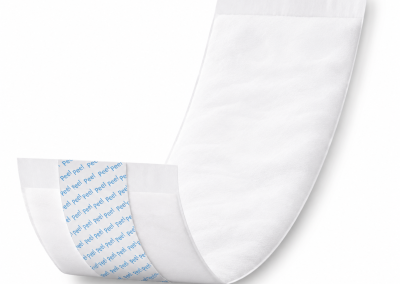
Side panels and fasteners stand out. Many products use wider, stretchy side panels to close gaps where urine could escape. Hook-and-loop fastening tabs, rather than sticky tabs, allow more precise, adjustable closure and can be repositioned multiple times without losing hold [1]. This adjustability helps create a snug fit for different body shapes, day and night.
Sizing and availability
Manufacturers now offer 3XL, 4XL, and larger options, reflecting a broader range of body shapes. These sizes often fit waist measurements from 60 inches up to 100 inches or more [1].
Tab-style briefs versus pull-ons
For larger body sizes, the choice between tab-style briefs and pull-up underwear depends on mobility, absorbency needs, and whether a caregiver assists. Tab-style briefs close at the sides. These products usually hold more liquid and are easier for caregivers to change [1]. A geriatric nurse often sees that for patients who move very little, tab-style briefs allow changes without removing lower clothes. This makes care simpler when moving the patient.
Pull-up undergarments resemble regular underwear and can support privacy and independence for those who toilet on their own. They typically have an elastic waistband but offer less adjustability than tab-style briefs. This can cause fit problems for very wide hips or waistlines [1].
Materials and skin protection
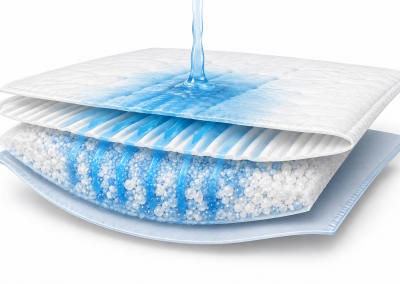
Maintaining skin health and protecting skin from moisture is a priority for anyone using absorbent products, and it needs extra attention where skin folds trap moisture and warmth. Bariatric products often have breathable fabrics and advanced absorbent cores that move moisture away from the skin [1]. Some briefs use a cloth-like outer layer to allow airflow, which can reduce moisture buildup and lower the risk of skin irritation or pressure sores [1]. Softer inner materials can also reduce friction on sensitive areas.
Key features to consider
When selecting a product for a larger person, consider more than size. These features can improve performance and comfort:
- High absorbency: choose products labeled for moderate to heavy urine release, often for overnight use [1].
- Leak guards: inner leg cuffs or standing barriers limit side leaks during movement or position changes.
- Wetness indicators: lines that change color when wet signal the need for a change without opening the product.
- Odor control: materials or additives that help reduce urine odor.
- Elastic leg gathers: a snug, comfortable seal around the legs to contain leaks.
The International Continence Society (ICS) states that correctly fitted products are important for managing leakage, protecting skin health, and reducing discomfort [2]. Some clinicians note that patients often do not measure themselves correctly. What this means for patients is that a product chosen by clothing size alone may not fit right. This matters because a poorly fitting product, even if made for larger bodies, may still leak or cause skin problems, leading to frustration.
Nighttime needs
Overnight management poses specific challenges for heavy wetting or limited mobility. Nighttime leak protection products for larger users typically hold more liquid and provide wider coverage, especially at the back [1]. This helps them work longer between changes [1]. Some products use softer, more flexible materials to reduce skin irritation during sleep [3]. Clinically, making sure products work well overnight is a big concern. Extended skin contact with wetness can greatly raise the chance of skin breakdown [3]. For instance, a heavy-duty brief with firm leg gathers and a wide absorbent core can help manage a full bladder release, protecting both the skin and bedding.
When to see a clinician
Talk to a doctor or nurse promptly if you notice any of the following:
- Blood in your urine
- Pain or burning when you urinate
- Sudden onset of incontinence with no clear cause
- Incontinence with weakness, numbness, or trouble walking
- Fever, back pain, or signs of a urinary tract infection
- Incontinence that is rapidly worsening
- Bowel incontinence appearing alongside urinary symptoms
Incontinence is common and treatable. Products help manage symptoms, but they do not replace clinical evaluation, pelvic floor therapy, medication review, or other treatments your clinician may recommend.