
Leaks around the legs are a frequent issue for people using adult incontinence protection. This typically happens when liquid bypasses the product’s protective features and escapes from the leg openings. Addressing these escape points generally involves understanding how the item fits and its design.
What Leg Leaks Usually Indicate
When an adult diaper releases fluid from the leg areas, it suggests a gap in protection. Liquid may overwhelm the item’s absorbency capacity or find an open pathway to escape. This type of leakage often points to a problem with how the incontinence item conforms to the body.
Why Liquid Escapes Around the Legs
Several factors can contribute to liquid escaping from the leg openings of adult absorbent products. These reasons often relate to an inadequate seal against the body.
- Incorrect Size: An item that is too large will have gaps around the thighs. This creates an easy escape route for fluid. If the item is too small, it may not extend high enough in the groin, or its leg elastic might be stretched too tightly, pulling away from the body.
- Poor Conformity: Even with the correct size, an item might not conform well to your unique body shape. This can leave gaps, especially in the inner thigh or groin area.
- Product Shifting: Movement, such as walking, sitting, or rolling over during sleep, can cause an absorbent product to move; using secure overnight adult pull ups can reduce nighttime displacement. This movement can pull the leg cuffs away from the skin, breaking the seal.
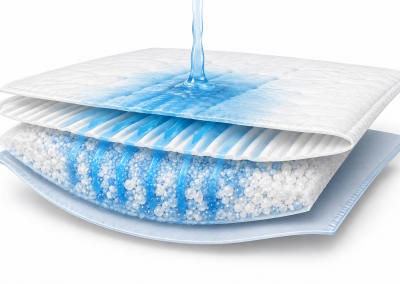
- Overfilling: If the item becomes too saturated, the absorbency material may swell and become rigid. Understanding incontinence product absorbency levels helps prevent overfilling before the product reaches its maximum capacity.
- Improper Application: Not positioning the item correctly can create gaps. For example, if the item is not pulled up high enough in the groin, or if the leg elastic becomes folded inward.
- Weak Barrier Cuffs: The inner elastic barriers, sometimes called leg cuffs or standing leg gathers, are meant to hold in liquid. If these cuffs are not standing upright against the leg or are too loose, they cannot prevent escape.
What Can Make Leg Leaks Worse
Certain situations and conditions can increase the likelihood of liquid escaping around the thighs.
- High Volume Voiding: Releasing a large amount of fluid at once can overwhelm the product’s absorption speed. The liquid may then flow rapidly to the edges before it can be fully taken in.
- Thin Liquid: Very diluted fluid can flow more quickly than concentrated liquid. This can make it harder for the item to contain it before it reaches the leg openings.
- Active Lifestyle: People who are very active might experience more product movement. This increases the risk of gaps forming.
- Frequent Bowel Movements: Bowel movements can sometimes move the absorbent product. This can disrupt the conformity and compromise the seal around the legs.
- Skin Breakdown: Redness or irritation in the groin area can make it uncomfortable to ensure close contact; focusing on protecting skin from moisture can help prevent irritation. This might lead you to loosen the product, inadvertently creating gaps.
What Can Help With Leg Leaks
Addressing releases at the legs often requires reviewing your product choice and application technique.
- Verify Correct Sizing: Use a measuring tape to find your waist and hip measurements. Compare these to the product manufacturer’s sizing charts. If you are between sizes, consider trying the smaller size first, as a snugger contact often prevents releases.
- Check the Contact: After applying the product, run your fingers around the leg openings to ensure a secure but comfortable contact. The leg cuffs should stand upright against your skin, not folded inward.
- Adjust Product Position: Make sure the product is pulled up high enough in the groin area, both front and back. The contact should feel close around your thighs.
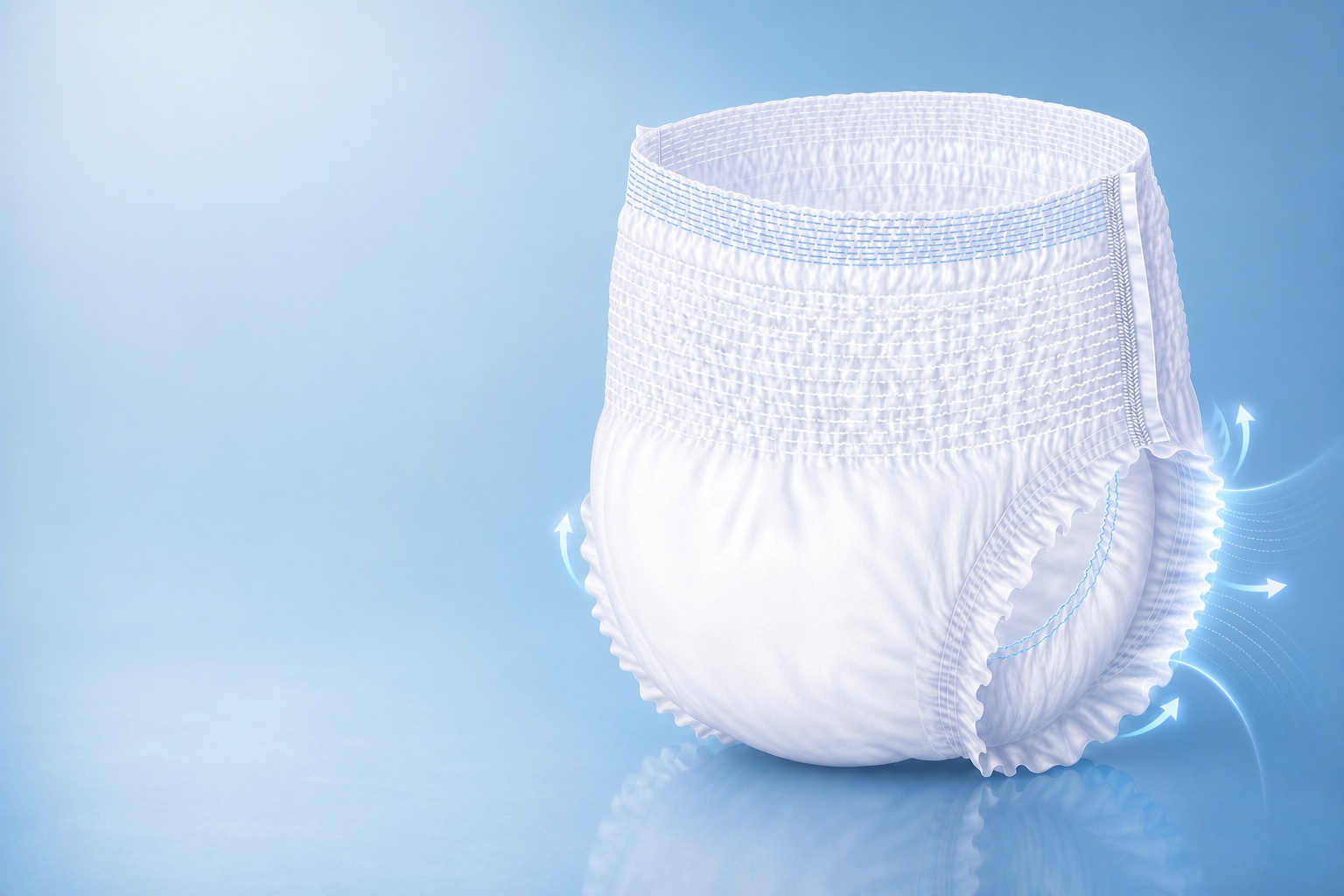
- Consider Contoured Products: Some adult diapers and protective underwear are shaped to conform more closely to the body’s curves, especially in the leg area. This contoured shaping can reduce gaps.
- Look for Double Leg Cuffs: Products with inner standing leg cuffs and a second outer cuff provide an additional layer of protection. This dual barrier helps contain liquid within the absorbent core.
- Change More Frequently: If releases happen due to saturation, a more frequent change schedule can prevent the item from becoming overfilled.
- Use Booster Pads: For significant liquid volume, adding incontinence booster inserts can increase absorbency without adding bulk to the leg openings. Place the booster pad inside the absorbent product.
When to Talk to a Doctor About Incontinence
Persistent releases, even after adjusting items and how they contact, may indicate a need for medical evaluation and a broader approach to understanding incontinence causes. Speak with your healthcare provider if you experience:
- Sudden changes in your bladder habits or severity of release.
- Pain or burning during urination.
- Blood in your urine.
- New or worsening skin irritation despite good hygiene.
- Symptoms such as fever, chills, or back pain along with incontinence.
These symptoms could signal a urinary tract infection, a progression of an underlying condition, or other health concerns that require medical attention.
How LivDry Products Fit In
LivDry offers a selection of absorbent products, including adjustable adult diapers with tabs, to help reduce releases, including those from the leg area. Many LivDry products feature contoured shaping that follows the body’s natural form. This design helps create a closer seal around the thighs. Products with inner standing leg cuffs provide an extra barrier against outflow. LivDry aims to provide items that can be matched to individual needs by offering various sizes and absorbency levels, contributing to improved protection from leakage.
Frequently Asked Questions
What does contoured shaping mean for preventing leakage?
Contoured shaping means the absorbent product is shaped to follow the natural curves of the body, particularly around the legs and groin. This design helps reduce gaps between the product and your skin, which can prevent liquid from escaping out the sides.
How do barrier cuffs help with releases around the legs?
Barrier cuffs are elevated elasticized edges on the inside of the absorbent product’s leg openings. They stand upright against the leg to create a physical containment. This helps hold liquid within the product’s absorbent core.
Can wearing two different absorbent products prevent releases?
No, wearing two products, like two briefs, does not typically prevent releases and can make the issue worse. The extra product often compromises how the inner one rests against your body, creating more gaps. Two products can also lead to skin irritation from the added bulk and constant dampness.
If my current product feels too snug, will a larger size help?
If your current product feels too snug, it might pull away from your body in other areas, creating gaps. Going up one size might improve comfort and reduce tension, potentially preventing releases. Always refer to sizing charts, as a product that is too large can also allow liquid to escape.
The Bottom Line
Addressing releases at the legs often comes down to finding the right product contact and features. Take time to check your measurements and how your current item performs throughout the day. Trying different styles and ensuring barrier cuffs are positioned correctly can make a noticeable difference.